
NEED Curriculum

The Science of Energy
This unit provides background information and hands-on experiments for K-12 students to explore the different forms of energy and how energy is transformed(opens in new tab) from one form to another. Students explore transformations focusing on kinetic and potential energy, heat, light, motors, batteries, and electromagnetism —with age-appropriate, hands-on explorations that emphasize the scientific process, energy sources, electricity generation and more.
Renewable and Nonrenewable Sources of Energy
The curriculum provides comprehensive, objective information and activities on the energy sources that fuel our country, including each of their economic and environmental impacts. Students explore the history of energy, energy in current events, and consider future energy development opportunities and challenges. They understand that certain energy sources may be better choices for specific energy needs, and they discuss and debate the energy sources we use today and will use in the future. NEED believes in teaching about all energy sources and helping students understand that there are many things to consider when making decisions about resource use.
Electricity
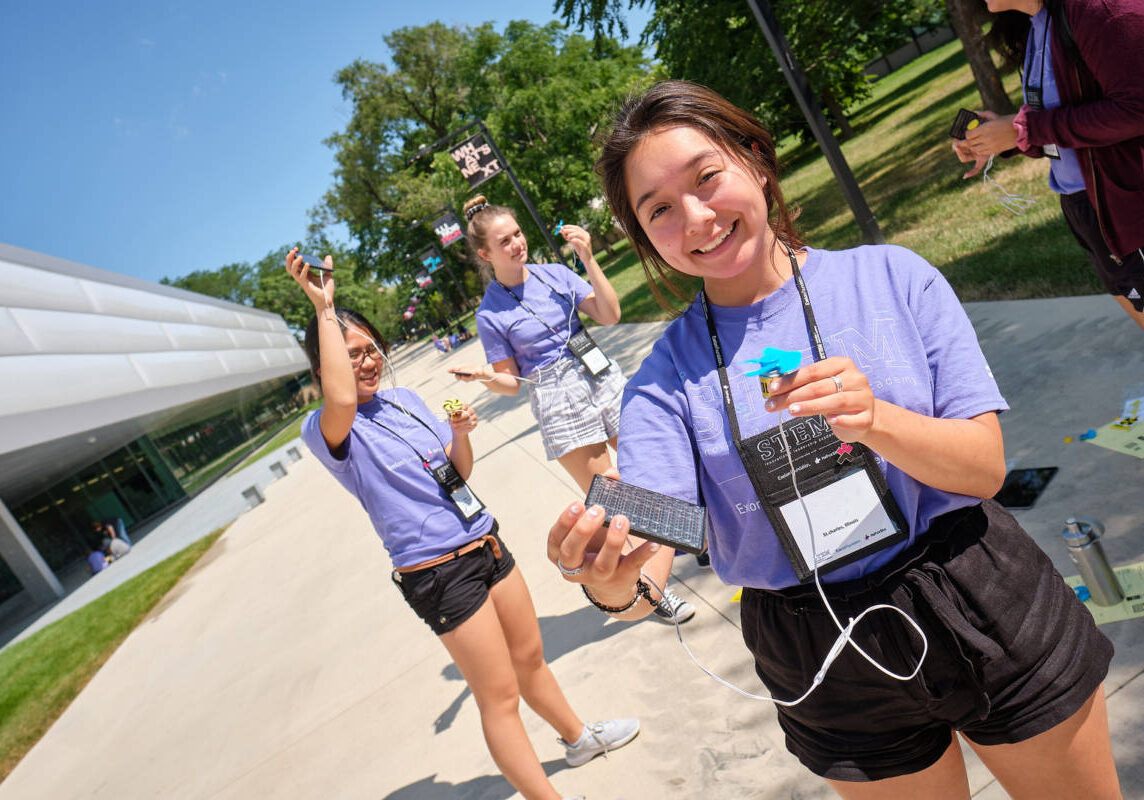
NEED students learn about the atom and the particles that make up the atom. They understand electricity as an energy carrier, learn about electrons and how they move, and they build batteries and electromagnets. Students also explore circuits, learn how electricity is generated and measured, as well as research fusion and fission, photovoltaics and superconductors, electricity regulation, and politics and policy.
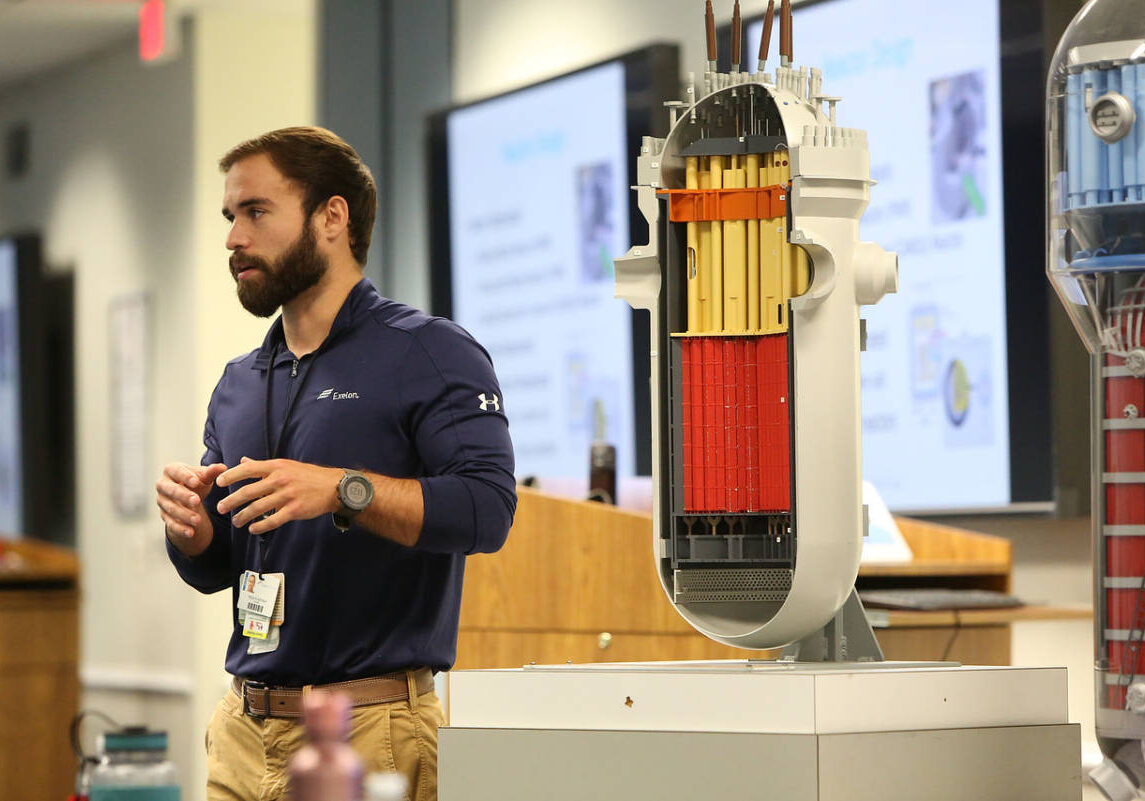
Students consider cleaner energy technologies, renewable electricity, and natural gas fired electricity generation. They research nuclear energy as a growing option for generating the nation’s electricity.
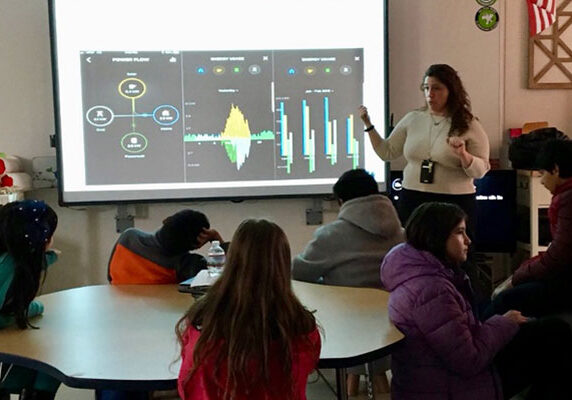
They work with SmartMeters to understand how electric and natural gas meters are utilized by many utilities nationwide. Understanding the technology of the meters and their impact on energy conservation efforts is important to how the nation’s Smart Grid and Smart Meter infrastructure grows. NEED believes in bringing a discussion of new technologies to the classroom. NEED kids learn, they teach others, and communities begin to understand.
Transportation
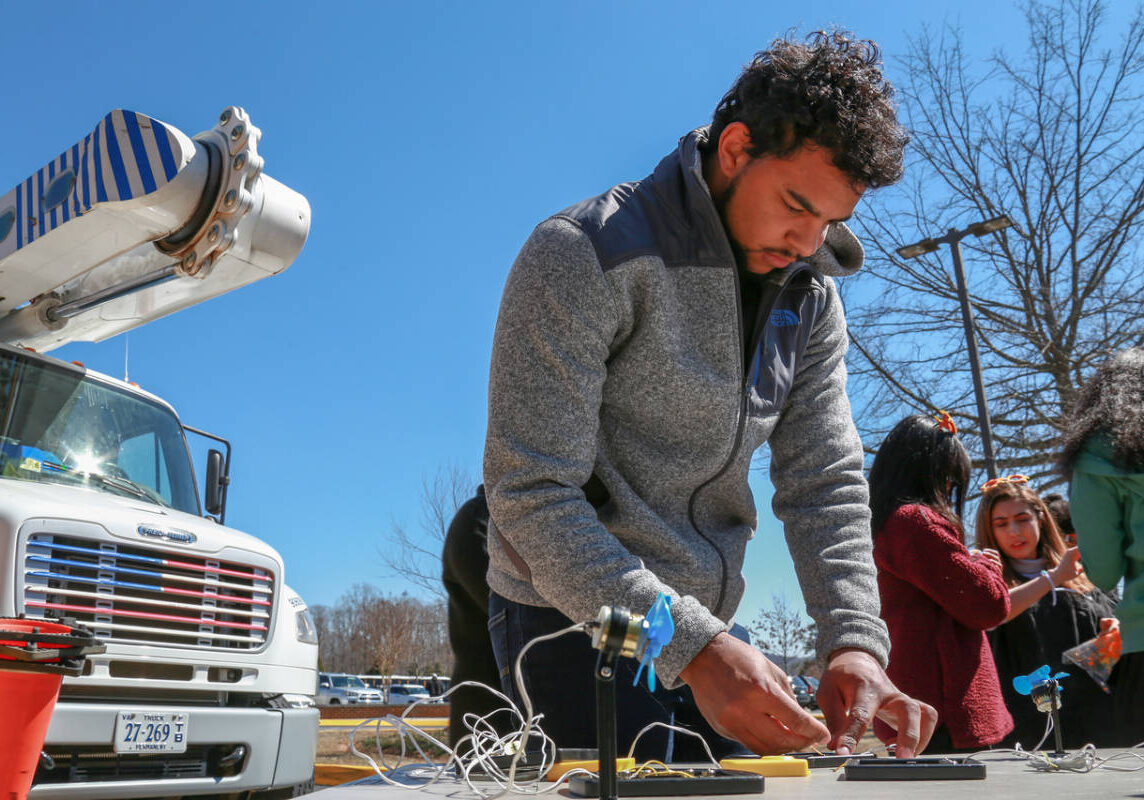
As the world looks to combat the effects of climate change, transportation has become one of the key focal points for making changes. NEED’s transportation materials cover the transportation fuels and vehicles in use today and the fuels and vehicles of the future. Students learn about gasoline, diesel, hybrid electric vehicles, plug-in hybrids, and electric vehicles. Students learn about hydrogen with the DOE-sponsored H2 Educate curriculum, expand their knowledge of petroleum and its uses, and consider the advantages and disadvantages of the fuels we use to transport people and products from place to place. They are actively engaged in learning about transportation technologies while using Transportation Expo, and challenged by pieces like Transportation Enigma and Transportation Fuels Debate. Our sampler, Electric Vehicles and the Grid(opens in new tab), includes activities designed to introduce students to EVs, electricity storage, and the grid system as a whole.
Efficiency and Conservation
Learning to use energy wisely is the capstone component of the NEED program. Students learn to read utility meters, use light meters, investigate phantom loads, and evaluate information from EnergyGuide labels and make the most use of the SmartMeter installed on their home. They learn about caulking, weather-stripping, and programmable thermostats. They monitor energy consumption and explore ways to reduce it—like using ENERGY STAR® products at home and at school. Managing Home Energy Use extends classroom learning to the home, guiding students and their households through a step-by-step energy audit to identify simple, often no-cost ways to save energy and lower utility bills. In Building Science, students come to understand how homes and buildings can be built with maximum energy efficiency in mind. Be sure to check out our efficiency and conservation curriculum available – School Energy Inspectors(opens in new tab) (Elementary), School Energy Experts (Intermediate), and School Energy Managers (Secondary). Explore Energy House, a teacher and student favorite for investigating energy-efficient building design, and Energy House Village, which offers new adaptations and extensions to the original activity!
Climate Science
Students may commonly hear the terms carbon dioxide, greenhouse gases, global warming, and climate change. These terms can often be heard or read in the news, are seen in advertisements, and are part of policy and political discussions. Students likely understand a few of these terms individually, but may struggle to understand the connection between climate and energy consumption. It is important to understand climate science and climate change, and how energy use and consumer choices impact our environment, economics, and standard of living. Scientists, government agencies, and the energy industry agree that climate change solutions are necessary. NEED’s suite of climate science curriculum include hands-on, critical thinking, and math-savvy activities help students to distill a somewhat complex topic and understand how the consumption of energy sources relates to climate.
Career and Workforce Development
The energy industry offers a wide range of careers, and NEED’s hands-on curriculum helps students connect classroom learning with real-world opportunities. Covering energy sources, electricity, transportation fuels, building science, and energy efficiency and conservation, these resources can be used as stand-alone career units or incorporated into existing lessons to build energy knowledge and career readiness.
Energy Careers Excursion introduces students to diverse energy careers while reinforcing communication and other workplace skills. Solar Careers Pathways explores careers in and related to solar installation, while Your Future in Energy Efficiency and Conservation helps high school career and technical education students investigate energy use and building systems while developing job-readiness skills. Explore our Career and Workforce Development curriculum for these and other guides, available as free PDF downloads.

Synthesis of Energy Information
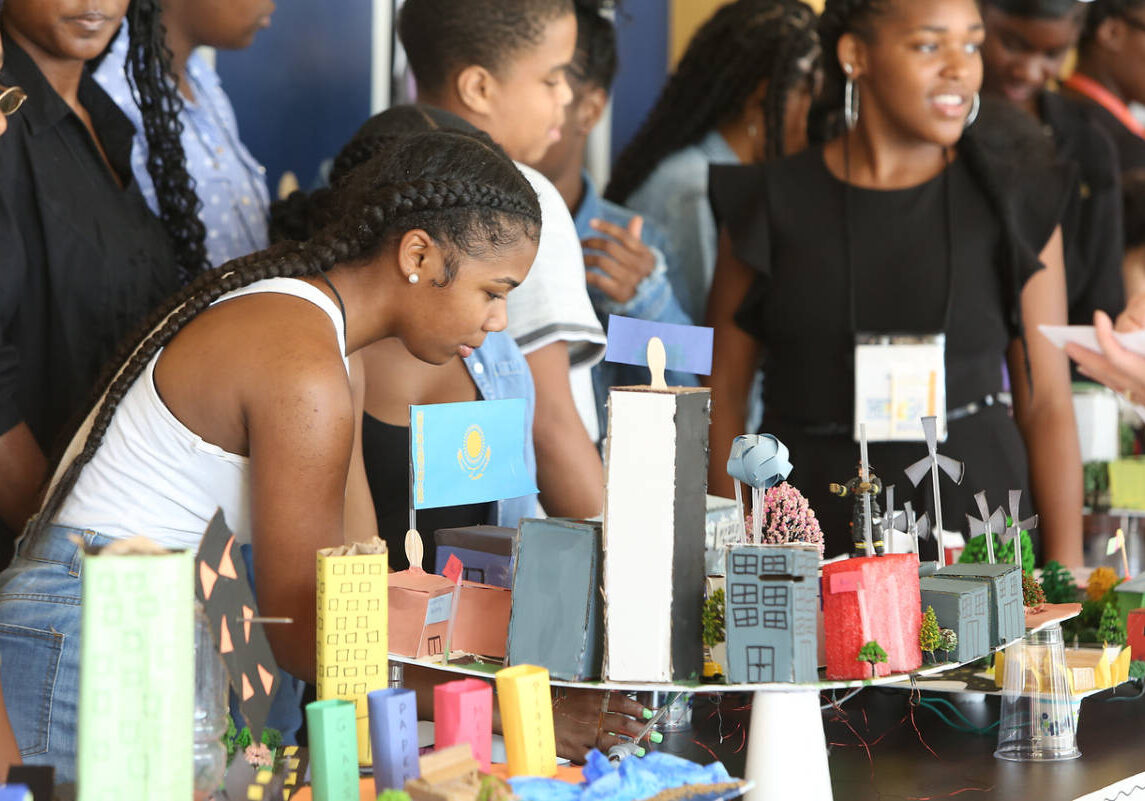
NEED’s curriculum incorporates activities to help synthesize energy information and create valuable connections between science and social science and the application of knowledge to decision making. Students undertake problem-based learning activities and explore possible opportunities and challenges for many energy decisions.
With NEED’s newly designed Next Generation Science Standards Correlation Chart, these activities help students explain, conceptualize, and practice standards required in the classroom.